




The Science of Sparkle – How to Properly Care for and Maintain Your Accessories
May 19, 2026
You’ve invested time and money in curating a beautiful collection of accessories. But even the finest jewelry can tarnish, scratch, or break if neglected. Proper care is not just about cleaning; it is about storage, handling, and understanding the unique needs of different materials. With a few simple habits, you can keep your treasures sparkling for decades, preserving both their monetary and sentimental value.
The golden rule of accessory care is simple: last on, first off. Accessories should be the last thing you put on when dressing and the first thing you take off when undressing. This minimizes exposure to lotions, perfumes, hairsprays, and makeup, all of which contain chemicals that can dull gemstones, corrode metal platings, and gum up mechanisms. Put on your perfume and lotion, let them dry completely, then put on your necklace and rings. At night, remove your jewelry before washing your face or applying night creams.
Different materials demand different care regimens. Let’s break it down by type.
Gold and Silver: Solid gold (10k, 14k, 18k) is durable but can still scratch. Clean it with a few drops of mild dish soap in warm water, using a soft toothbrush to gently scrub crevices. Rinse and pat dry with a lint-free cloth. Silver tarnishes naturally when exposed to air and humidity. To slow tarnishing, store silver in anti-tarnish pouches or zip-lock bags with all the air squeezed out. For cleaning, use a specialized silver polishing cloth (never a tissue or paper towel, which can scratch). For heavy tarnish, a dip solution works quickly, but avoid dipping pieces with pearls or soft stones.
Gemstones (Diamonds, Rubies, Sapphires): These are hard and durable, but they can still accumulate skin oils and soap scum, which kills their brilliance. Soak them in a solution of warm water and a drop of ammonia-based cleaner (or mild dish soap), then scrub with a soft baby toothbrush. Rinse thoroughly. However, never use this method on porous or soft stones like opals, emeralds, turquoise, or pearls. These require extra care: just wipe with a slightly damp, soft cloth and dry immediately. Ultrasonic cleaners are powerful but can damage fragile stones or loosen settings – use only if your jeweler gives the green light.
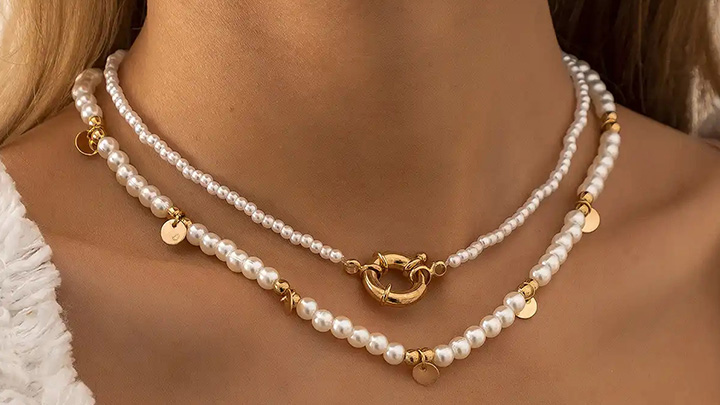
Costume Jewelry (Plated metals, rhinestones, resins): This is the most delicate category. Plated metal has only a thin layer of gold or silver over a base metal like brass or copper. Abrasive cleaners will strip the plating. Never soak costume jewelry. Instead, wipe each piece with a barely damp microfiber cloth, then dry thoroughly. To remove tarnish from base metal that is peeking through, use a jewelry wipe specifically for costume pieces. Glue-backed rhinestones can fall off if soaked – avoid water entirely and use a soft, dry paintbrush to dust them.
Storage is just as important as cleaning. The worst place for your accessories is a tangled heap in a drawer. Chains knot and scratch each other; pearls get abraded. Invest in a jewelry box with compartments and soft linings. For necklaces, hang them on a lined wall rack or lay them flat individually in compartment trays – never hang them from hooks if they are delicate chains, as gravity will eventually stretch them. Keep earrings paired together in a divided tray or on a card. Rings are happiest on a padded ring roll or in individual slots.
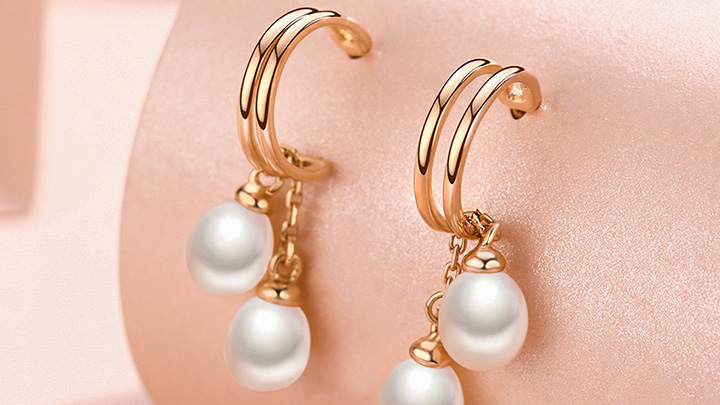
Watch out for environmental enemies. Humidity is a silent killer; avoid storing jewelry in bathrooms. Chlorine in swimming pools and hot tubs is disastrous for gold (it causes brittleness) and can pit silver. Always remove rings before swimming, cleaning with harsh chemicals, or working with dough (which gets stuck in settings). Pearls are especially vulnerable to acids – wipe them with a soft cloth after every wear, as your skin’s natural acids can etch their surface over time.
Finally, regular professional maintenance is not a luxury but a necessity. Take fine jewelry to a jeweler once a year for inspection. They will check for loose prongs, worn clasps, and thin spots on chains. A professional ultrasonic and steam cleaning will restore diamond rings to factory sparkle. For watches, follow the manufacturer’s service schedule (every 3-5 years for mechanical watches). A small fee for preventive care now will save you from the heartbreak (and cost) of a lost stone or a snapped chain later.
Remember: treat your accessories with the same respect you would any other investment. They are tiny sculptures, sentimental markers, and daily companions. With mindful care, the necklace that marked your graduation can still shine for your own child’s graduation. That is the true science of sparkle.